Vape Culture: Understanding the Growth of Vaping in Modern Society
Vape culture has risen as a notable movement within younger generations, fueled by the pursuit of healthier choices and a wide range of flavor varieties. Social media amplifies this trend, presenting vaping as a socially acceptable choice. However, the health implications remain contentious, raising questions about safety. As vaping establishments transform into social gathering spaces, the nature of this culture keeps evolving. What does the future hold for this expanding trend?
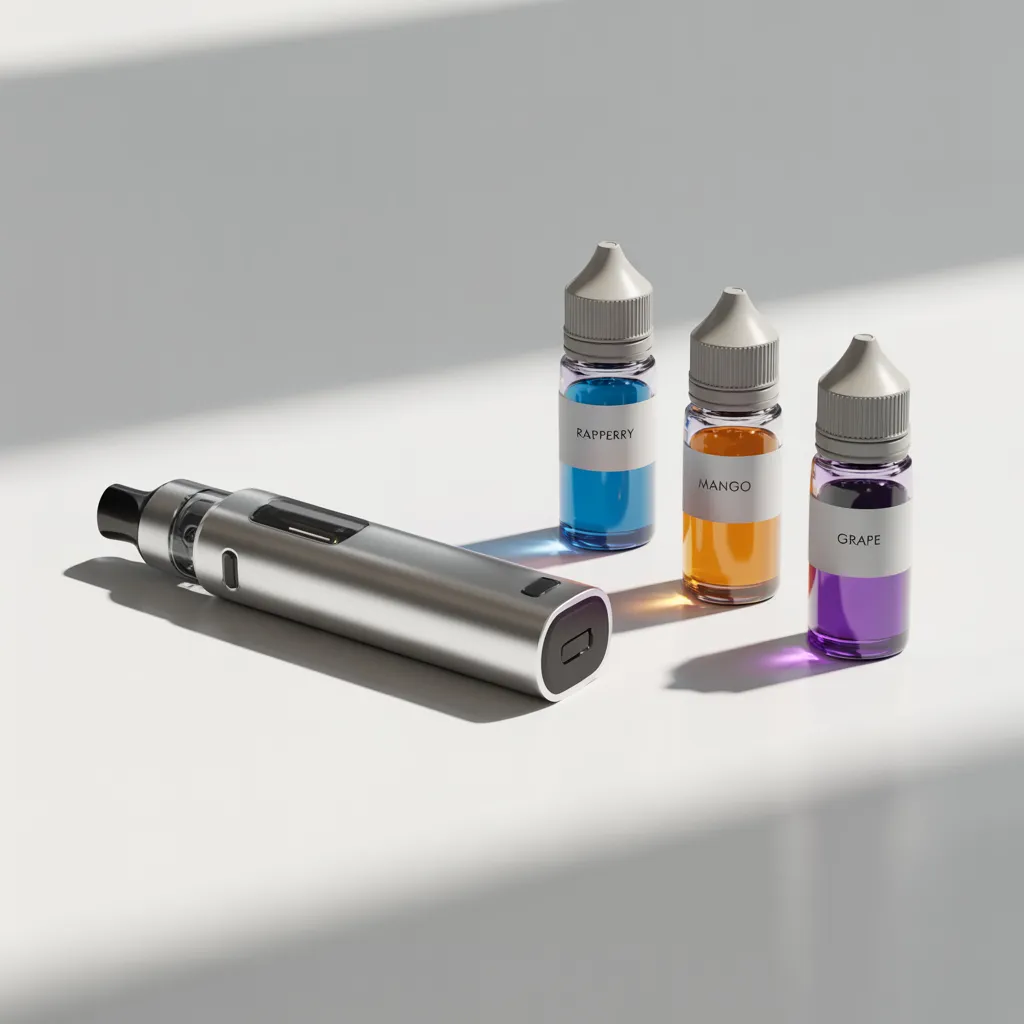
What Is Driving People to Switch to Vaping?
As the understanding of the health dangers linked to conventional smoking increases, a growing number of people are turning to vaping as an apparently less harmful substitute. This change is motivated by a variety of influences, including the appeal of flavors and customizable options that vaping devices provide. Numerous users value the wide range of flavors, spanning from fruity to dessert-themed options, which make the experience far more pleasant than traditional tobacco. Additionally, vaping is often viewed as a more socially acceptable practice, particularly among younger demographics. The innovation within vaping devices additionally enables a degree of management over nicotine consumption, attracting individuals seeking to lower their intake steadily. Moreover, the perception that vaping is less intrusive and has fewer lingering odors than smoking contributes to its rising popularity. As a consequence, a broad spectrum of individuals, including both former smokers and those new to nicotine use, are steadily embracing vaping as their preferred choice.
Is Vaping Really Safe? The Health Debate?
How safe is vaping compared to traditional smoking? This question has sparked considerable debate among health professionals and the public alike. Although vaping is frequently promoted as a healthier option compared to smoking, the truth is far more nuanced. E-cigarettes typically contain fewer toxic substances than traditional cigarettes, which could theoretically reduce some health risks. However, vaping still introduces harmful chemicals into the body, including nicotine, which can lead to addiction and potential cardiovascular issues.
New findings have raised questions about the prolonged consequences of inhaling vaporized substances, particularly since numerous components found in e-liquids have not been thoroughly studied. Furthermore, incidents of lung injuries associated with vaping have been reported, deepening the uncertainty about its overall safety. Ultimately, while vaping could pose less danger than cigarette smoking, it is not without its dangers, calling for cautious deliberation among users and policymakers.
Who's Joining the Vaping Trend?
What types of people are attracted to vaping? A diverse range of individuals finds appeal in vaping, across different age groups and lifestyles. People in their youth, notably those ranging from their late teens to early twenties, often seek alternatives to traditional smoking, viewing vaping as a modern lifestyle choice. A significant number are influenced by the belief that vaping poses fewer health risks while providing a personalized experience with diverse flavors and nicotine strengths.
In addition, previous smokers moving toward vaping represent a significant demographic. They may see it as a means to reduce nicotine consumption while still enjoying the act of inhaling. A sense of curiosity also compels many people, as the social aspects of vaping attract those looking to connect with peers or explore new experiences. The accessibility of the trend, coupled with its perceived uniqueness, continues to welcome a broad range of enthusiasts into the vaping world.
The Way Social Media Influences Vape Culture
How does social media influence vape culture? Social media platforms have become pivotal in promoting and normalizing vaping among various demographics. Via eye-catching visual content, influencers portray vaping as a lifestyle option, routinely stressing its aesthetic qualities and social elements. Hashtags and challenges related to vaping create a sense of community, encouraging users to share their experiences and preferences. Additionally, platforms like Instagram and TikTok allow users to produce and disseminate tutorials, vape tricks, and product reviews, enhancing the visibility of vaping products and brands.
This constant interaction fosters an environment where vaping is not just a routine but a form of self-expression. The pervasive influence of social media amplifies trends, leading to swift changes in consumer preferences. Therefore, social media acts as a double-edged sword, both increasing visibility of vaping and potentially glamorizing the habit, particularly among younger audiences.
How Vaping Influences Lifestyle Choices
Vaping has grown into a powerful force shaping current lifestyle trends, impacting a wide range of aspects from social dynamics to personal expression. For a great number of people, vaping acts as a social catalyst, enabling connections across both relaxed and professional environments. Engaging in vaping commonly informative guide produces a mutual experience among its users, nurturing community relationships and defining expectations around group interactions.
Moreover, vaping has reshaped personal identity for some people, differentiating them from traditional smokers or non-smokers. The variety of flavors, devices, and brands empowers individuals to express their preferences and tastes, contributing to a sense of personal identity.
In addition, wellness perspectives related to vaping have prompted lifestyle shifts; many individuals consider it a more health-conscious option compared to smoking, while some incorporate it within wellness and lifestyle discussions. In the end, vaping influences choices related to social interactions, personal expression, and well-being, illustrating its profound impact on present-day living habits.
Vape Shops: Social Centers for Vaping Fans
In the evolving landscape of vaping culture, vape shops have become vital community hubs for dedicated vapers. Such venues function as communal spaces where individuals can connect over their shared interest in vaping. Rather than just offering products for sale, vape shops regularly hold events, such as product tastings and educational workshops, cultivating a sense of community among patrons.
The experienced staff consistently share useful knowledge into the most recent vaping devices and e-liquids, elevating the complete vaping experience. This tailored service fosters trust and loyalty among the community. Additionally, vape shops often create welcoming environments, facilitating social engagement among patrons, which often results in strong friendships and supportive networks.
As the vaping trend continues to grow, these shops play an important role in shaping a culture centered around exploration and education. By focusing on community involvement, vape shops not only contribute to individual experiences but also help establish a vibrant, interconnected vaping culture.
The Future of Vape Culture
In what ways will vape culture transform as technology and social perspectives change? As advancements in vaping technology continue, innovations including smart devices and tailored options will likely draw in a larger consumer base. Improved user interfaces and application integrations could enable customized experiences, giving consumers the ability to monitor their usage and flavor choices. Additionally, the growing emphasis on health and wellness could reshape perceptions, leading to more acceptance of vaping as a less harmful alternative to smoking.
Regulatory changes will further shape the landscape as authorities introduce tighter controls, producers could prioritize openness and excellence, promoting a more accountable trade. Social attitudes may continue to shift, with e-cigarettes growing more embedded in everyday society, much like artisan brewing or premium coffee. Fundamentally, the evolution of vaping will be defined by a combination of technological advancement, legislative guidance, and shifting societal views, establishing a singular standing in current cultural discourse.
Commonly Asked Questions
Which Flavors Are Most Favored by Vapers Today?
Fruit flavors, particularly berry, mango, and watermelon, dominate the vaping market today. Sweet dessert flavors, such as chocolate and vanilla custard, also remain highly popular, drawing in those who desire rich and satisfying vaping experiences.
What Are the Average Monthly Expenses for Vaping?
The monthly cost of vaping typically range from $30 to $100, based on usage, device type, and e-liquid choices. Frequent vapers could experience notable differences in spending based on personal preferences and consumption patterns.
What Are the Age Requirements for Buying Vape Products?
Indeed, there are age restrictions for buying vape products. In many regions, individuals must be at least 18 to 21 years old, depending on local laws, to legally buy vaping devices and related products.
Is Vaping an Effective Way to Help People Stop Smoking Completely?
Vaping may assist some individuals in quitting smoking entirely by serving as a less damaging option. Nevertheless, its results differ from person to person, and reliance on vaping can lead to continued nicotine dependence for others.
What Are Widespread Misconceptions About Vaping?
Frequent misconceptions surrounding vaping encompass the beliefs that it poses no health risks, that it lacks any harmful ingredients, and that it serves only as a stepping stone to smoking. These misunderstandings may shape attitudes and actions related to vaping.